

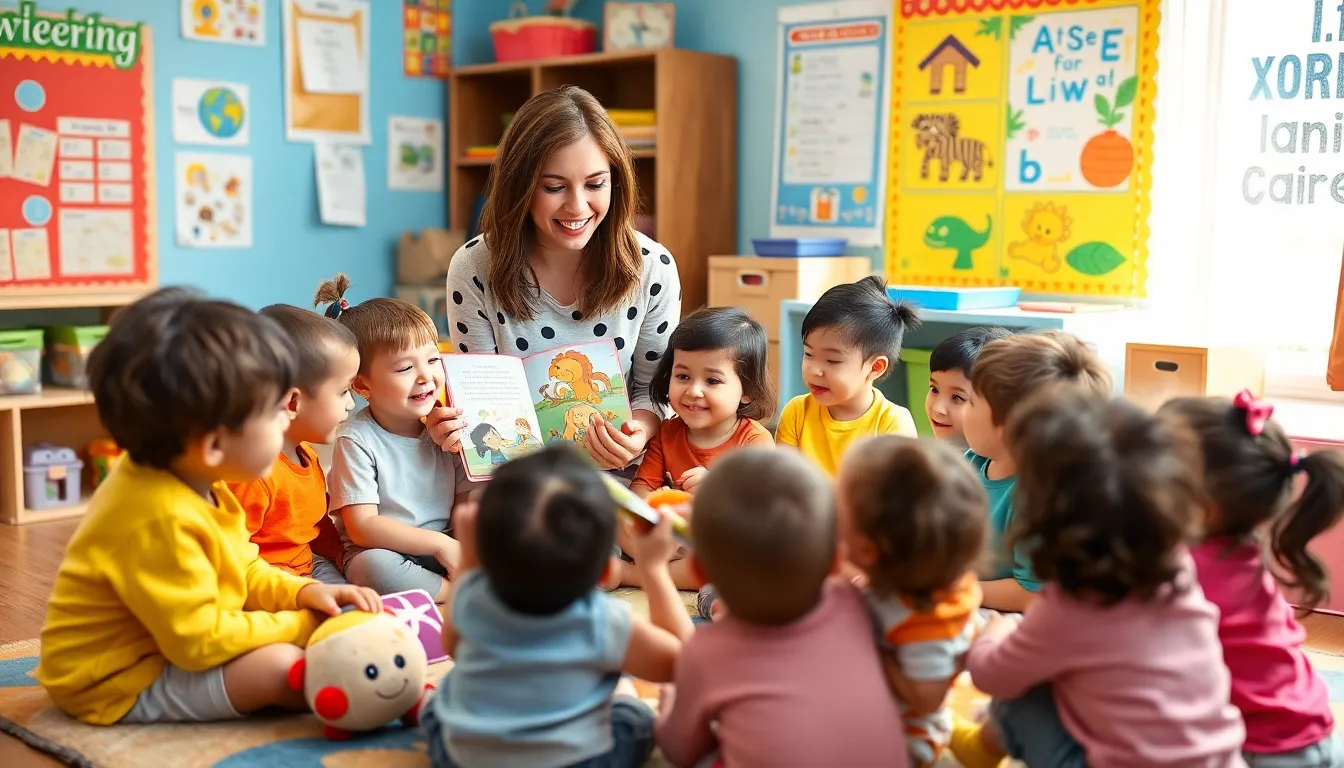
Early literacy lays the foundation for a child’s future success in reading and writing. It’s more than just recognizing letters or sounds; it’s about fostering a love for language and storytelling. Engaging children in literacy-rich environments from a young age can ignite their curiosity and enhance cognitive development.
Parents and educators play a crucial role in this journey. By introducing books, songs, and interactive activities, they can create a stimulating atmosphere that encourages exploration and learning. Understanding the importance of early literacy not only benefits individual children but also strengthens communities by promoting lifelong learning and communication skills. As society evolves, prioritizing early literacy becomes essential for preparing children to navigate the complexities of the world around them.
Understanding Early Literacy
Early literacy encompasses the foundational skills and knowledge children develop before they can read and write. This stage lays the groundwork for successful communication and cognitive development.
Definition of Early Literacy
Early literacy involves skills such as phonemic awareness, vocabulary development, and narrative comprehension. It includes the ability to recognize sounds, understand meaning, and interpret various forms of written language. Children engage in early literacy through interactions with books, storytelling, and conversations that build their language abilities and understanding of print.
Importance of Early Literacy
Early literacy creates a pathway to academic success. Research shows that children exposed to rich language environments perform better in school. Engaging with texts enhances critical thinking, and vocabulary knowledge, and nurtures a passion for reading. Establishing strong early literacy skills contributes to better communication abilities and fosters a lifelong love for learning, essential for thriving in an increasingly complex world.
Key Components of Early Literacy

Early literacy comprises vital skills that children develop before formal reading and writing, laying the foundation for effective communication and cognitive growth. The key components include phonemic awareness, vocabulary development, and reading comprehension skills.
Phonemic Awareness
Phonemic awareness involves recognizing and manipulating individual sounds in spoken words. Children learn to identify, segment, and blend phonemes, which are crucial for decoding words during reading. Engaging children in rhyming games, songs, and sound-based activities enhances their phonemic skills. Research shows that children with strong phonemic awareness demonstrate better reading abilities as they progress through their education, leading to improved literacy outcomes.
Vocabulary Development
Vocabulary development refers to the process of acquiring a broad range of words and understanding their meanings. It plays a fundamental role in reading comprehension and communication. Introducing diverse language through books, conversations, and songs fosters vocabulary growth. Studies indicate that children exposed to rich vocabulary contexts outperform their peers academically, showcasing improved language skills and enhanced cognitive understanding. Frequent exposure to new words leads to greater curiosity and a deeper appreciation for language.
Reading Comprehension Skills
Reading comprehension skills encompass the ability to understand and interpret text. These skills develop through interactions with various texts, discussion, and storytelling. Children learn to make predictions, ask questions, and summarize content, all of which contribute to deeper comprehension. Engaging with age-appropriate literature encourages critical thinking and allows children to connect ideas. Research emphasizes that strong reading comprehension correlates with academic success, advocating for early intervention to support these skills.
Strategies to Promote Early Literacy
Promoting early literacy requires engaging children in various activities that enhance their skills and knowledge. Implementing effective strategies sets the foundation for a love of reading and learning.
Reading Aloud to Children
Reading aloud to children cultivates a strong foundation for literacy. It exposes them to rich vocabulary and diverse sentence structures. When parents and educators read stories, they model expression, tone, and punctuation, improving comprehension. Choosing a variety of genres, such as fiction, nonfiction, and poetry, enriches children’s experiences. Engaging in discussions about the story during and after reading enhances critical thinking and encourages personal connections to the text.
Interactive Storytelling
Interactive storytelling involves creating an immersive experience for children, enhancing their engagement and understanding of narratives. Encouraging children to participate by predicting outcomes or acting out characters develops their creativity and comprehension skills. Utilizing props or visual aids makes the storytelling experience more dynamic, allowing children to visualize and connect with the material. This interaction strengthens their narrative skills and promotes a passion for storytelling.
Educational Games and Activities
Incorporating educational games and activities boosts early literacy in a fun and engaging manner. Word-based games, such as Scrabble or Boggle, help children recognize letters, sounds, and words. Rhyming games promote phonemic awareness, enhancing decoding skills. Craft activities, like creating storybooks, encourage writing and creativity. Technology-based educational apps can also provide interactive reading experiences, making literacy enjoyable while promoting essential skills.
Role of Parents and Educators in Early Literacy
Parents and educators play vital roles in fostering early literacy, laying the groundwork for children’s long-term academic success and love of reading.
Home Environment and Literacy
A literacy-rich home environment enhances children’s reading skills and enthusiasm for stories. Parents can create such an environment by integrating books into daily routines, making reading a shared activity. Providing access to various reading materials, including picture books and age-appropriate novels, is essential. Parents can also engage children in meaningful conversations about stories, asking questions that stimulate critical thinking and comprehension. Incorporating songs, rhymes, and storytelling nurtures phonemic awareness, promoting language development. Regular reading, even as brief as 15 minutes a day, significantly strengthens early literacy skills.
Teacher’s Role in Early Literacy Development
Teachers serve as critical facilitators of early literacy development within structured educational settings. They introduce foundational literacy skills through targeted instruction and interactive learning experiences. By employing diverse teaching strategies, such as phonics programs and shared reading sessions, teachers can adapt to the varied needs of students. Encouraging a print-rich classroom, filled with labels, posters, and accessible books, supports literacy growth. Teachers can also assess student progress regularly, providing personalized support that addresses individual challenges. Building a community of literature through group discussions fosters collaboration and a shared love for reading, enhancing overall literacy engagement in the classroom.
Early literacy is a vital component of a child’s growth and development. By nurturing a love for language and storytelling, parents and educators set the stage for lifelong learning. Creating rich literacy environments fosters curiosity and enhances cognitive skills, empowering children to navigate the complexities of modern society.
The strategies discussed highlight the importance of engaging children through books, songs, and interactive activities. As they develop essential skills like phonemic awareness and vocabulary, they gain the tools needed for effective communication. Prioritizing early literacy not only benefits individual children but also strengthens communities, ensuring a brighter future for everyone. Investing in these foundational skills is crucial for cultivating a generation of confident and capable learners.


