

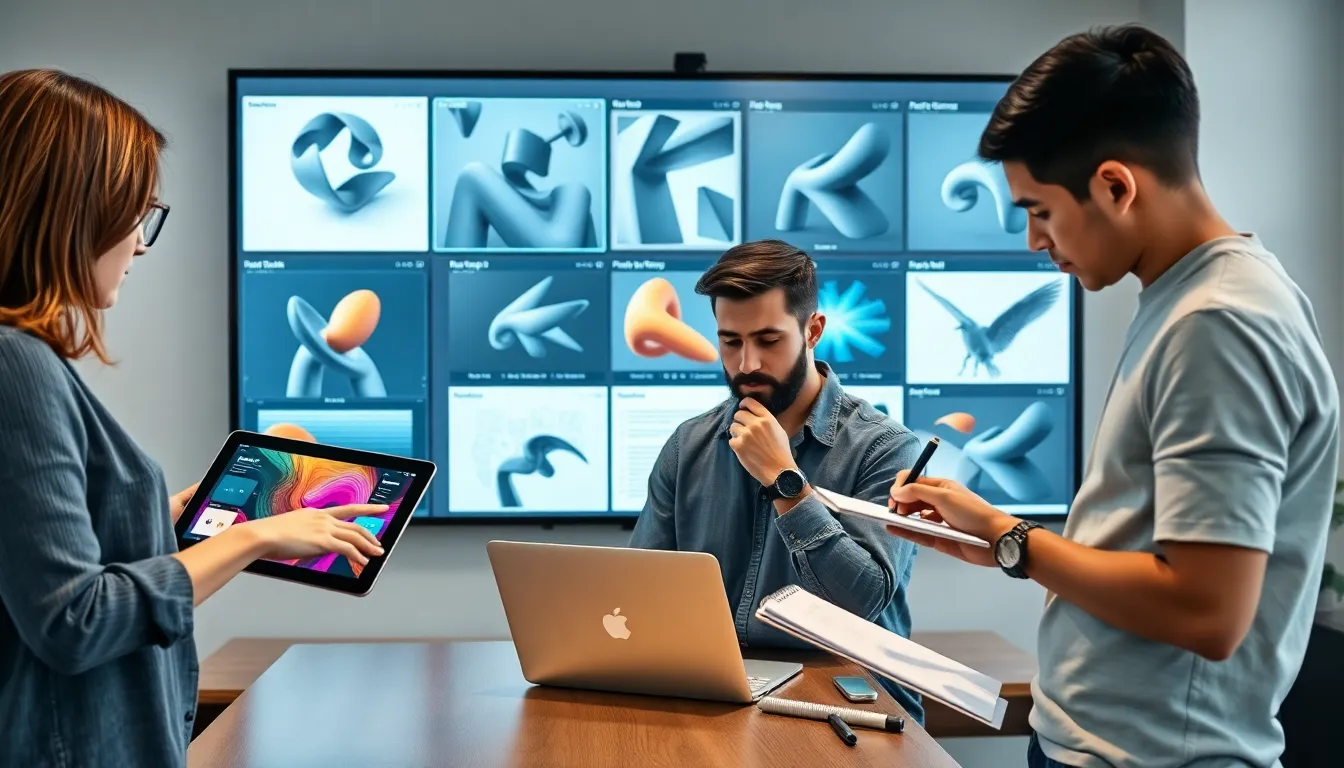
In the vast world of digital design, few concepts spark curiosity like grayoffsetback. It’s not just a quirky term; it’s the secret sauce that can elevate any project from drab to fab. Imagine giving your designs a fresh twist that not only stands out but also keeps users coming back for more. Intrigued? You should be!
Grayoffsetback might sound like a code word for an elite design club, but it’s really about creating depth and dimension in visuals. It’s like adding a splash of color to a black-and-white movie. With the right techniques, this simple concept can transform ordinary designs into eye-catching masterpieces. So buckle up and get ready to dive into the world of grayoffsetback—where creativity meets strategy and every pixel counts.
Overview of Grayoffsetback
Grayoffsetback represents a strategic approach in digital design, emphasizing depth and visual complexity. Designers utilize this technique to enhance the overall aesthetics of their projects. Various applications exist for grayoffsetback, including web interfaces and graphic elements, where it adds a layer of sophistication.
Projects employing grayoffsetback often captivate users through refined visuals. The process involves manipulating shadows and gradients creatively, resulting in engaging compositions. This technique’s versatility allows it to be applied across different design mediums, including mobile applications and marketing materials.
Many designers appreciate grayoffsetback for its ability to transform ordinary layouts into visually arresting experiences. Implementing this technique can attract more attention and improve user interaction. Subtle contrasts generated by grayoffsetback can guide the viewer’s eye, drawing focus to critical information.
Prominent tools support the application of grayoffsetback, such as design software specializing in layering techniques. These tools enable designers to experiment with opacity and color balance, achieving desired effects efficiently. Professional designers often prefer integrating grayoffsetback in their workflows, enhancing project outcomes and client satisfaction.
Over time, the trend of using grayoffsetback escalates, establishing a standard for modern digital branding. Its profound impact ensures that brands stand out amid the clutter of competing visuals. Understanding grayoffsetback allows designers to make informed choices, optimizing their creations and fulfilling client expectations.
Features of Grayoffsetback

Grayoffsetback integrates visual appeal and user engagement through a variety of features in digital design. This technique offers designers tools to enhance the aesthetic quality of their projects.
Design Aspects
Strategic use of grayoffsetback brings depth and character to visual compositions. Designers manipulate shadows and gradients to create unique layers that attract user attention. Enhanced compositions arise with thoughtful adjustments to opacity and color balance, allowing for innovative design solutions. Captivating elements stand out effectively, enriching the user experience across web interfaces and mobile applications. Designers also find flexibility in applying grayoffsetback to various graphic elements, making the aesthetic cohesive and modern.
Technical Specifications
Grayoffsetback requires specific implementation tools to achieve optimal results. Supportive design software often provides features like gradient editors and shadow manipulation tools. Essential specifications include a clear understanding of color codes and transparency levels to maintain visual integrity. Designers work with varying opacity settings to create nuanced effects that enhance depth perception. Additionally, compatibility with multiple formats ensures seamless integration across different platforms and media. The effective application of grayoffsetback involves precise measurements, ensuring that all elements align with brand standards and visual goals.
Benefits of Using Grayoffsetback
Grayoffsetback offers several advantages that enhance digital design projects. This technique not only beautifies visuals but also boosts functionality.
Enhanced Performance
Enhanced performance often results from incorporating grayoffsetback. Designers can make elements pop by adding shadows and gradients, elevating the overall aesthetic without compromising load times. Faster rendering is achievable through optimized graphics that maintain quality even at smaller file sizes. Attention to detail with precise measurements ensures that performance remains stable across various devices. Streamlined integration with existing platforms maximizes the impact of visual components. Consequently, projects can deliver high-quality experiences, impressing users consistently.
User Experience
User experience significantly improves with the use of grayoffsetback. When designers apply depth and dimension, it creates a more engaging environment for users. Strategic placement of shadows guides the eye towards essential information, facilitating better navigation. Users often find interfaces more intuitive as grayoffsetback enhances clarity and reduces visual clutter. Creative manipulation fosters emotional connections with users, making interactions memorable. Overall, grayoffsetback not only beautifies designs but also enriches the user’s journey through compelling visual storytelling.
Comparison with Alternatives
Grayoffsetback stands out among various design techniques, offering unique features and advantages. Its implementation enhances visual depth and user engagement.
Grayoffsetback vs. Competitor A
Competitor A focuses on shadow effects, but grayoffsetback takes the concept further by incorporating gradient manipulation. Grayoffsetback produces richer textures and more dynamic visuals. While Competitor A may emphasize simplicity, grayoffsetback adds complexity that captivates users. Furthermore, grayoffsetback supports various design software, providing versatile options for designers. Enhanced performance metrics accompany grayoffsetback, ensuring quicker load times and smoother responsiveness, a crucial factor in today’s fast-paced digital landscape.
Grayoffsetback vs. Competitor B
Competitor B employs basic layering techniques, often resulting in flat aesthetics. In contrast, grayoffsetback introduces sophisticated layering with shadow play and gradients that create immersive experiences. Additionally, grayoffsetback fosters a greater emotional connection with users through its depth and dimension. Unlike Competitor B, which may struggle with cross-platform compatibility, grayoffsetback seamlessly integrates across multiple formats. Designers can achieve optimized graphics through grayoffsetback, ensuring quality remains high while improving overall functionality and user experience.
Conclusion
Grayoffsetback is redefining the landscape of digital design by offering a unique blend of depth and visual appeal. Its innovative approach not only enhances aesthetics but also significantly boosts user engagement. As designers embrace this technique, they unlock new possibilities for creating captivating and memorable experiences.
With its ability to integrate seamlessly across various platforms and maintain high-quality graphics, grayoffsetback sets a new standard in modern branding. This technique empowers creatives to craft designs that resonate emotionally with users while ensuring functionality. As the digital world continues to evolve, grayoffsetback stands out as a vital tool for those looking to elevate their projects and make a lasting impression.


